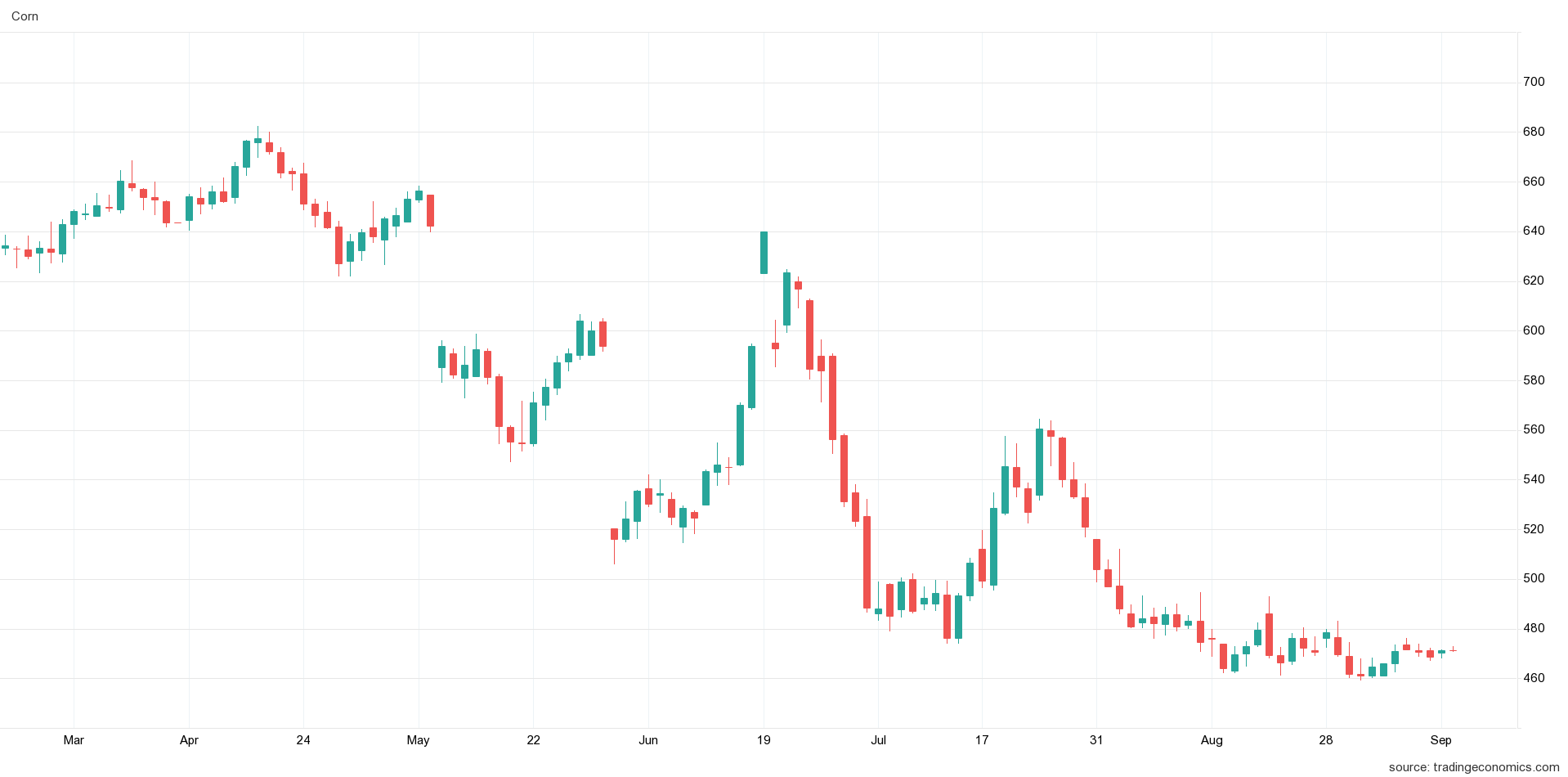
* The fundamental law of supply and demand plays a significant role in corn pricing. When there is an excess of corn supply compared to demand, prices tend to decrease, and when demand exceeds supply, prices tend to rise..
Corn is highly sensitive to weather conditions, especially during its growing season. Droughts, floods, and adverse weather events can lead to reduced yields and affect prices. Favorable weather conditions, on the other hand, can boost production.
The region where the tea is grown can also impact its price. Teas from renowned tea-growing regions, such as Darjeeling in India or the Fujian province in China, may be more expensive due to their unique flavors and characteristics.
Government policies, subsidies, and tariffs in corn-producing and consuming countries can influence prices. Subsidies to corn farmers can increase production, while tariffs on imported corn can protect domestic producers and affect global prices.
Jute hurd has the potential to be used as a feedstock for biofuel production, reducing waste and providing an alternative energy source.
Innovations in farming techniques and technology can impact yields and production costs. Higher yields can increase supply and potentially lower prices.
Trade agreements between countries can impact the flow of corn between nations, affecting both supply and demand.
: The costs associated with storing and transporting corn can impact pricing, especially for futures contracts.
Limited edition or rare teas, such as aged teas, certain single-origin teas, or unique blends, can be very expensive.
The price you pay can also be influenced by where you purchase the tea. Specialty tea shops or online retailers may offer a wider variety of teas but might have higher markups compared to buying directly from a tea estate or cooperative.